From access to quality: why India needs 21st-century skills in children's education
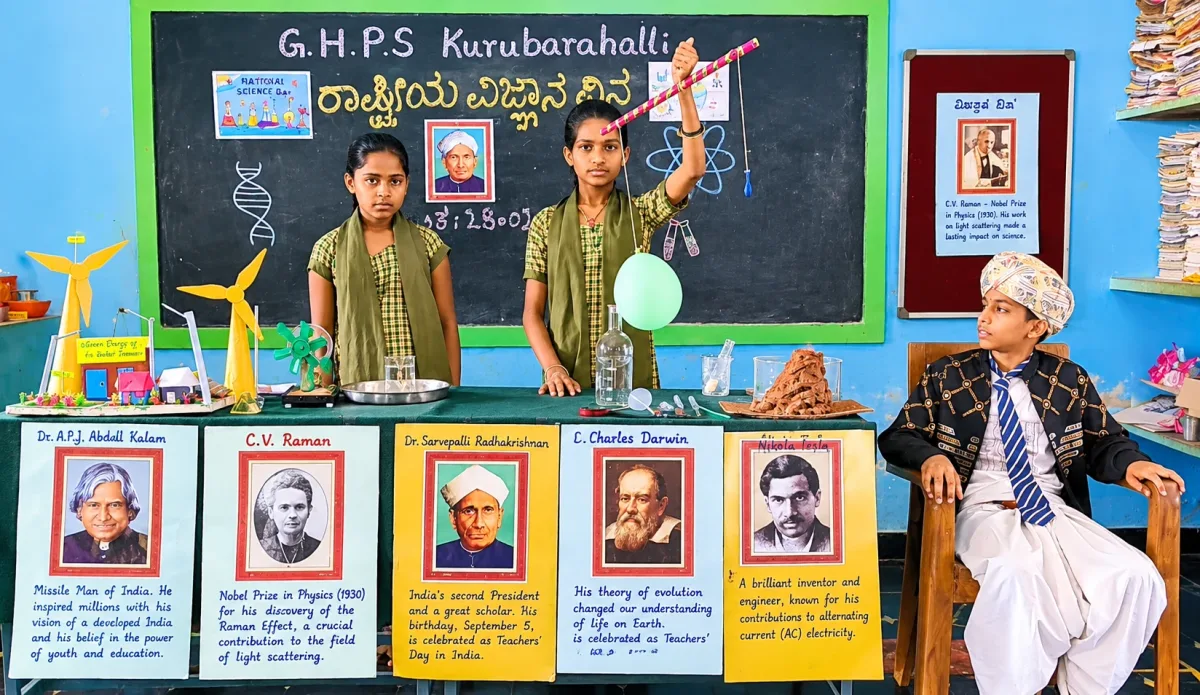
India has achieved a historic milestone in educational access. Today, nearly 24.8 crore students are enrolled in schools across the country.
But access alone is no longer enough. With millions of children already in classrooms, and around 1.17 million still identified as out of school, the defining question of our generation is no longer "Are children in school?" but "Is school preparing children for the world they are growing into?"
That is why education built on 21st-century skills matters.
Every day, we see traditional classrooms where children memorize facts for the sake of exams but fail to apply their knowledge to any real world problem. They are taught to sit quietly while the teacher delivers a one-way lecture, with little room to collaborate, question or create. Meanwhile, the world they will enter, defined by rapid technological disruption, AI-driven automation and complex civic challenges, demands competencies that are entirely different.
That fundamental mismatch is what we are working to change.
What are 21st-century skills, really?
21st-century skills are the abilities children need to learn, work and live well in a changing world. They include critical thinking, creativity, communication and collaboration, along with digital literacy, empathy and resilience. In a classroom, these skills show up when a child asks a question, explains an idea with an example from her village, or works with classmates on a shared task. They grow out of strong foundations in reading and numeracy, and they develop best through activities where children observe, reflect, discuss and collaborate.
These skills matter because the world children will enter as adults is changing faster than any syllabus can adapt. In a world driven more and more by technology and artificial intelligence, information is always easy to find, so the lasting value lies in what a child can do with the information in hand: ask a good question, weigh evidence, work with others to create things that are meaningful. For students in government schools, these abilities widen the choices open to them after school, whatever their starting point.
Nations with education systems that build these skills effectively produce adults who can adapt, solve local problems and take part in public life.
Why this moment matters for India
India has one of the world's largest youth populations. As our economy moves from routine task execution to innovation and knowledge work, future livelihoods will belong to those who can solve problems dynamically, navigate digital landscapes and work effectively in teams.
The quality gap in Indian education remains profound, not because children cannot reach a school building, but because what happens inside the classroom hasn't kept pace with global realities. When teachers teach for genuine understanding and application rather than mechanical rote recall, children from all socioeconomic backgrounds can thrive.
The policy framework exists. The need is undeniable. What is missing is execution on the ground that turns this vision into a daily reality for every child.
India's National Education Policy (NEP) 2020 and the National Curriculum Framework for School Education (NCF-SE) 2023 have already signalled this vision clearly.
How we turn policy into practice
At Caring with Colour, we believe that transforming education requires looking beyond the student in isolation. To create sustainable change, we have to support the entire ecosystem around the classroom.
Instead of relying on single teacher workshops that rarely stick, our programs address two deeply connected areas: upgrading teacher mindsets with practical, experiential teaching resources, and partnering with education departments to build ongoing mentoring and monitoring frameworks.
By building teacher capacity and an enabling institutional environment together, we ensure that 21st-century skills aren't a passing trend, but a sustainable foundation for better learning outcomes.
Join us in building the future
India's educational progress will not be measured by enrollment numbers alone. True progress will be measured by how many children learn deeply, think independently, ask better questions, and confidently apply what they know to build better lives.
We are building lasting, systemic quality in government schools where it matters most, and we invite you to be part of it. Partner with us.
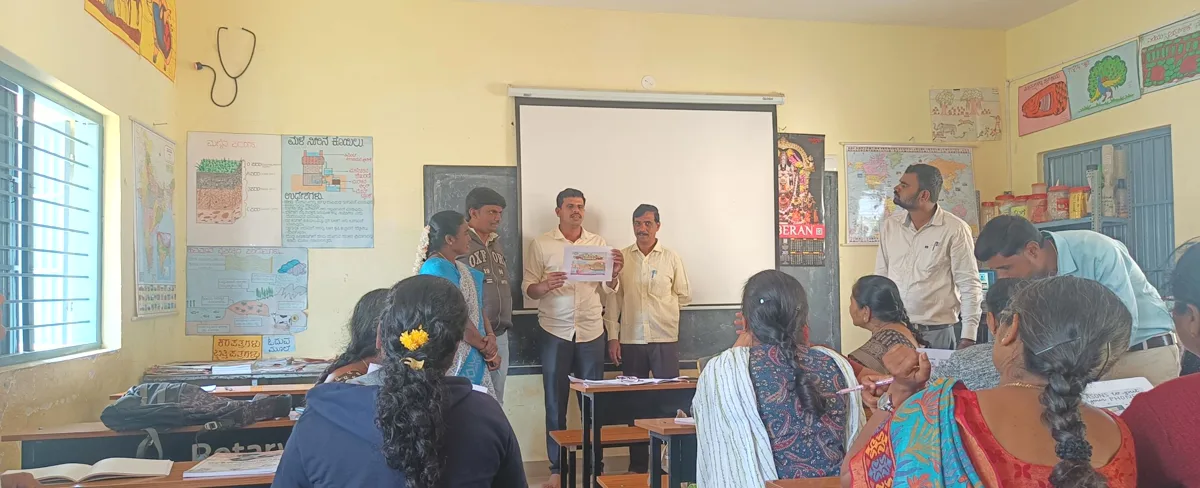
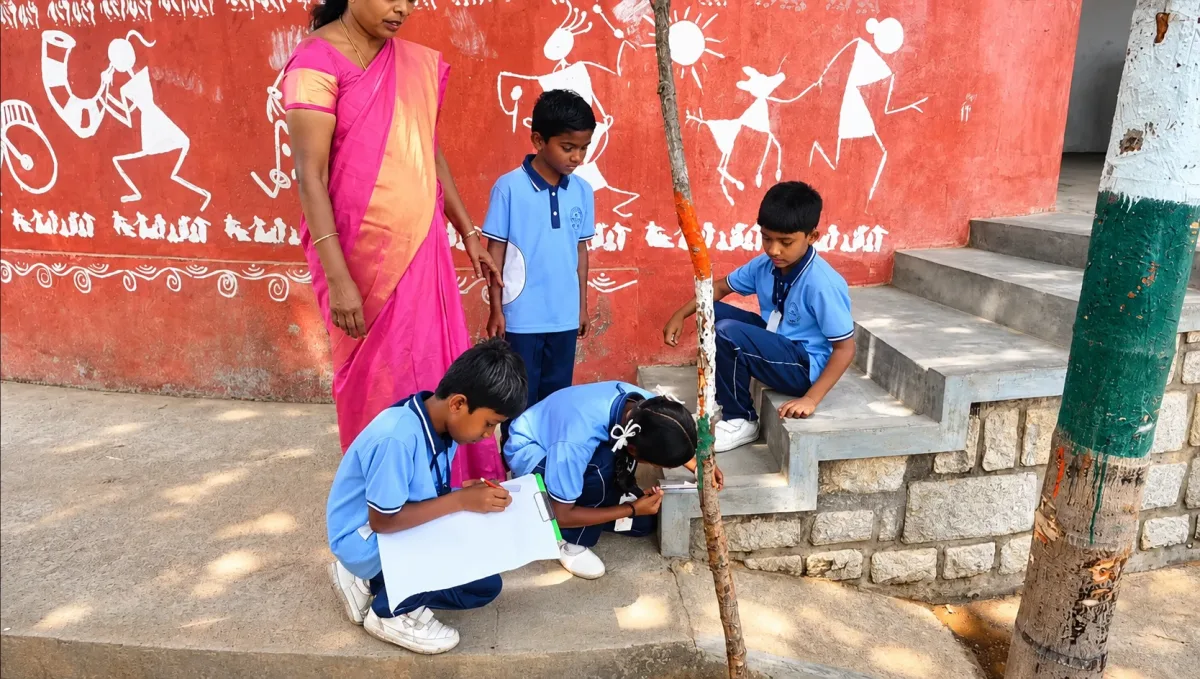
See how we turn policy into practice
Teacher capacity and system partnerships, working together.
Partner with us →