“Involve me and I understand”
Bridging the gap between textbook knowledge and real-world application, so every child thrives in and beyond the classroom.
Moving beyond rote learning
Traditional methods lean on memorisation and passive learning — no longer enough for the challenges of the 21st century.
In alignment with NCF 2005 and NEP 2020, our PBL initiative shifts the focus toward problem-solving and critical thinking — moving students away from single-answer facts, toward reflective questions, evaluation of evidence, and deep, lasting comprehension.
From single-fact answers toward reflective thinking and lasting comprehension.
The “4 Cs”, built into every project
Our PBL framework integrates the four foundational 21st century skills in the way projects are designed and run. Skills the future industry demands .
Critical thinking
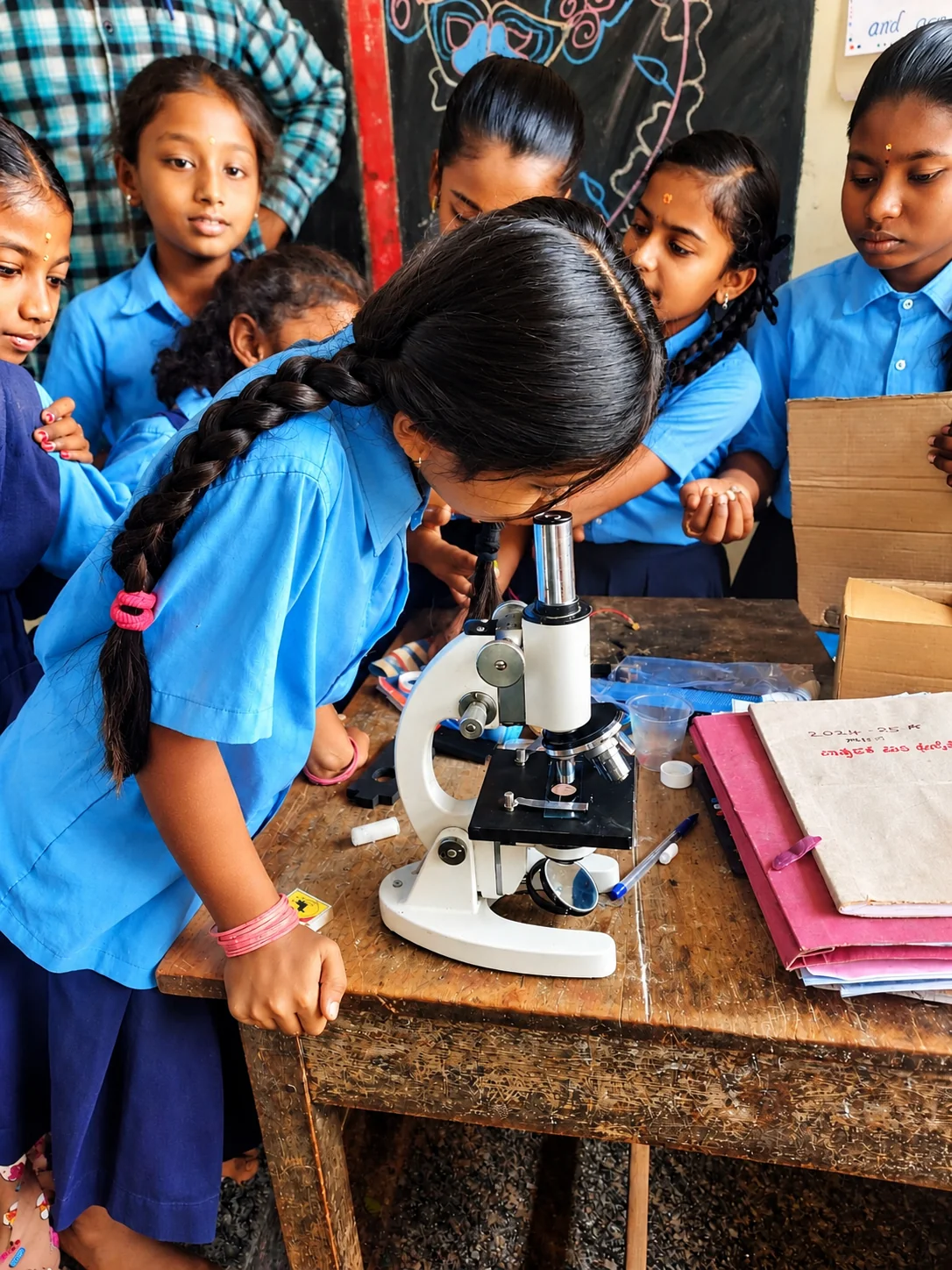
Students analyse data, draw thoughtful connections, and solve complex problems.
Collaboration
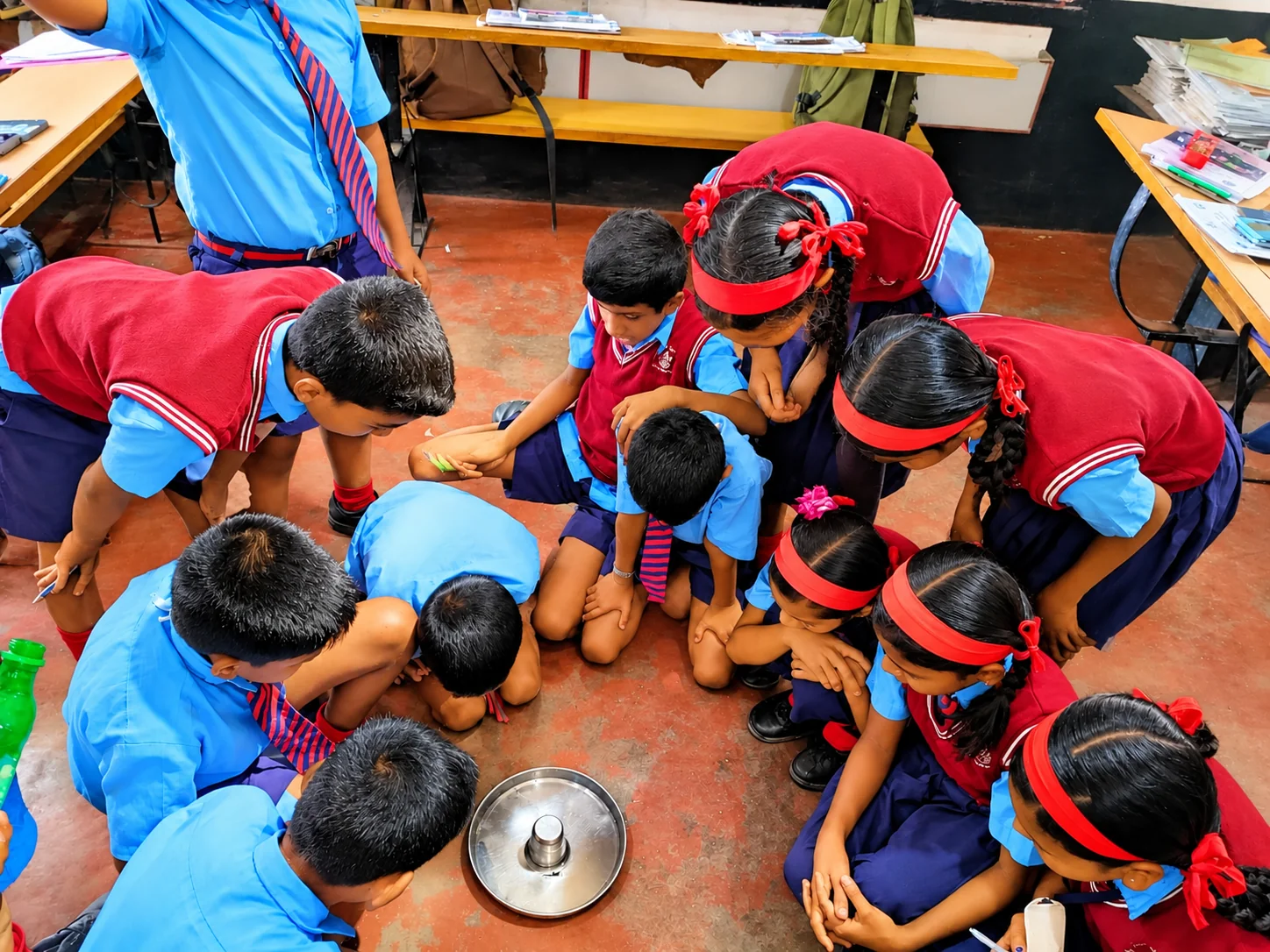
Working in groups, they cooperate, share responsibilities, and mentor one another.
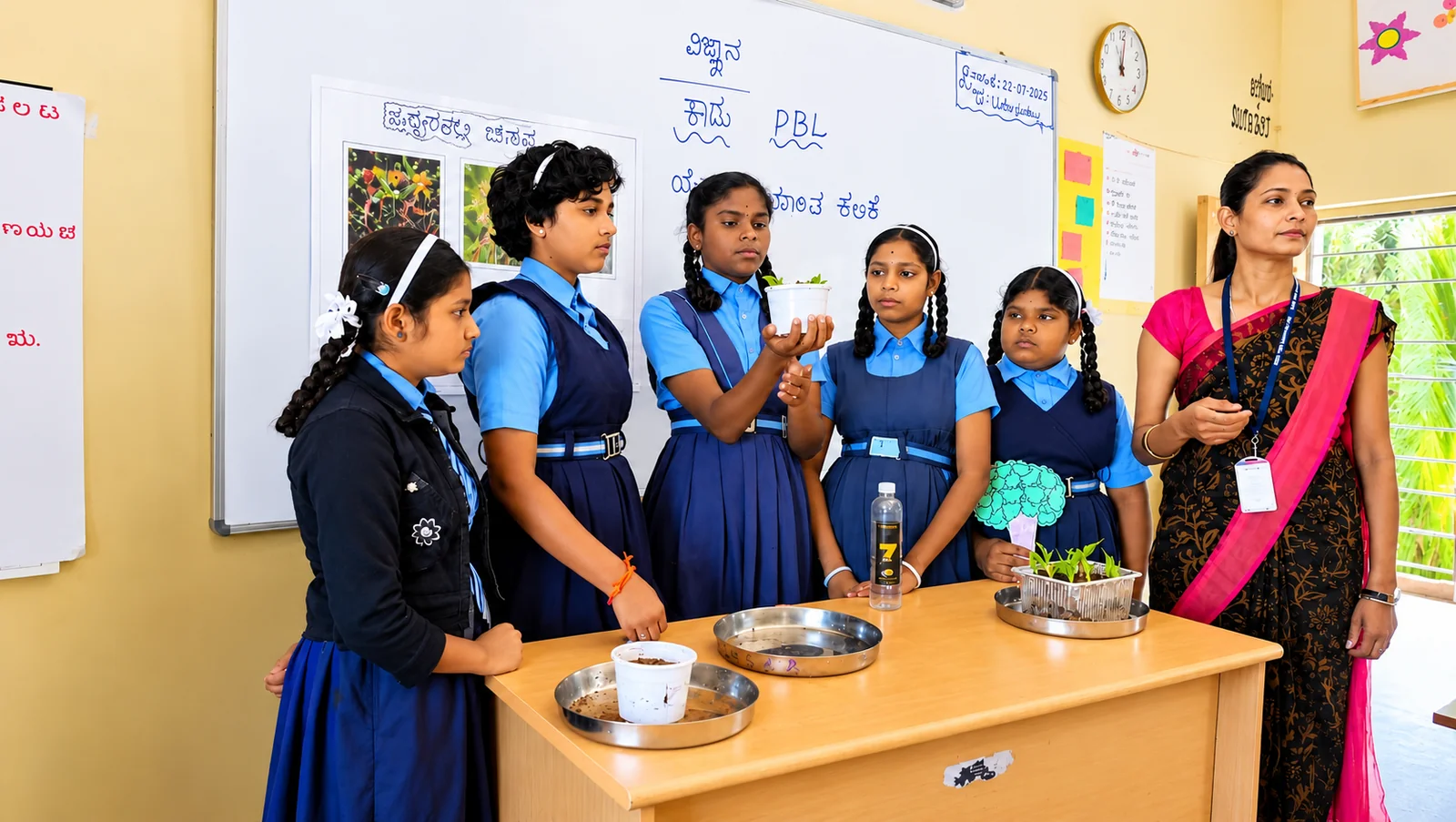
Communication
Learners express ideas through writing, visuals, and presentations for different audiences.
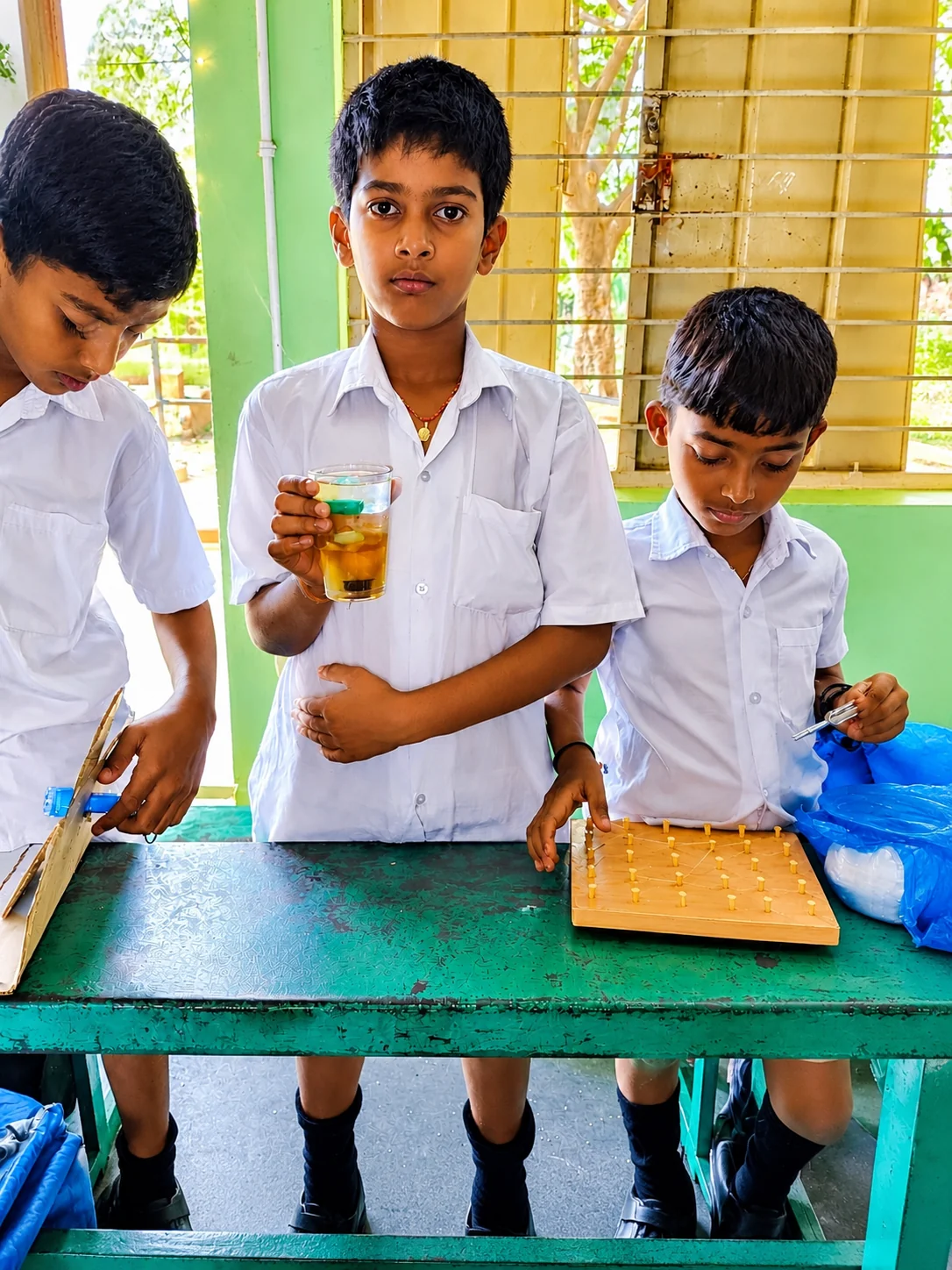
Creativity
Students try new approaches, design experiments, and develop unique solutions.
A solution for multigrade rural classrooms
A structured delivery model that flexes across the mixed-age groups common in rural schools — giving students time to reflect, revise, and master concepts, and giving teachers the confidence to facilitate without designing from scratch.
Extended learning time
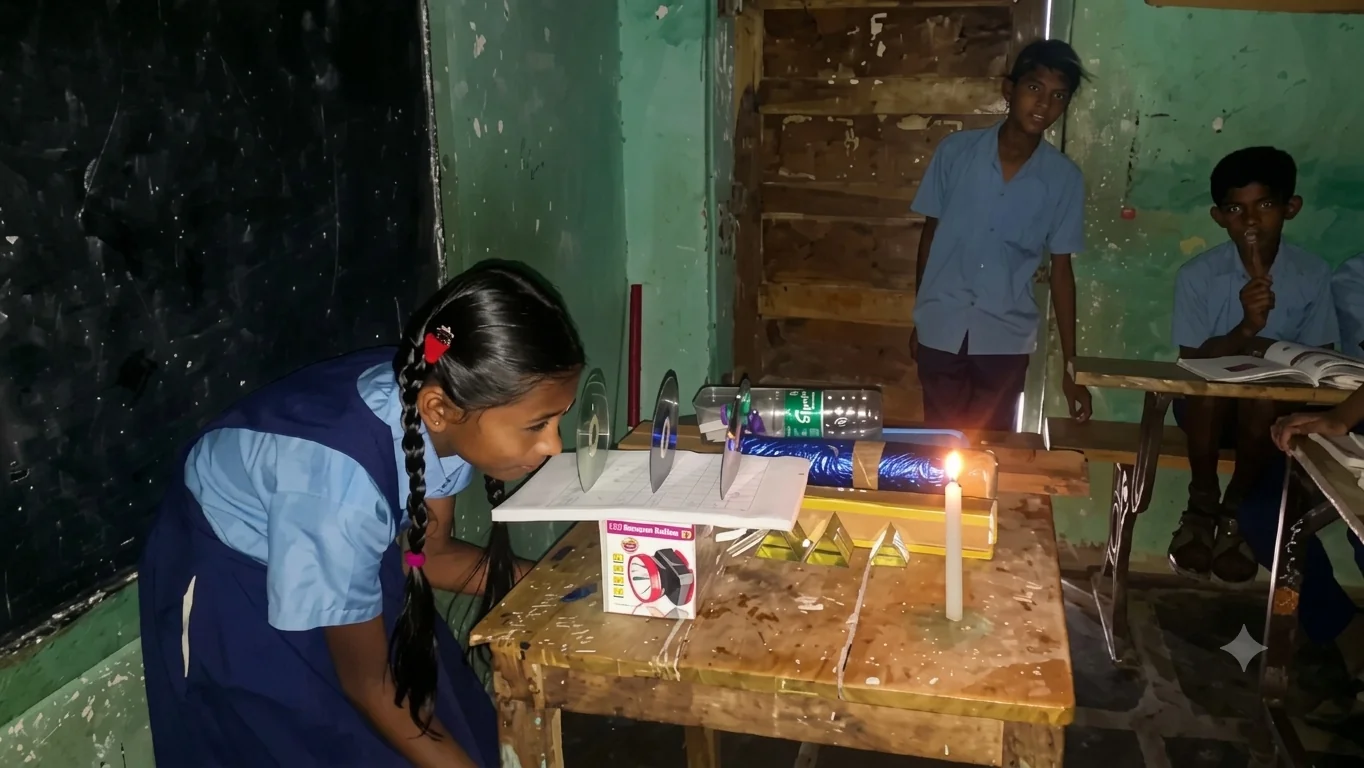
Seven projects a year, one per month. Within each project, students engage with curricular concepts in an experiential way in their home, school or community environments.
Step-by-step scaffolding
Detailed activity guides, concept explainer videos along with teacher training sessions let teachers facilitate projects with confidence.
Real-world connections
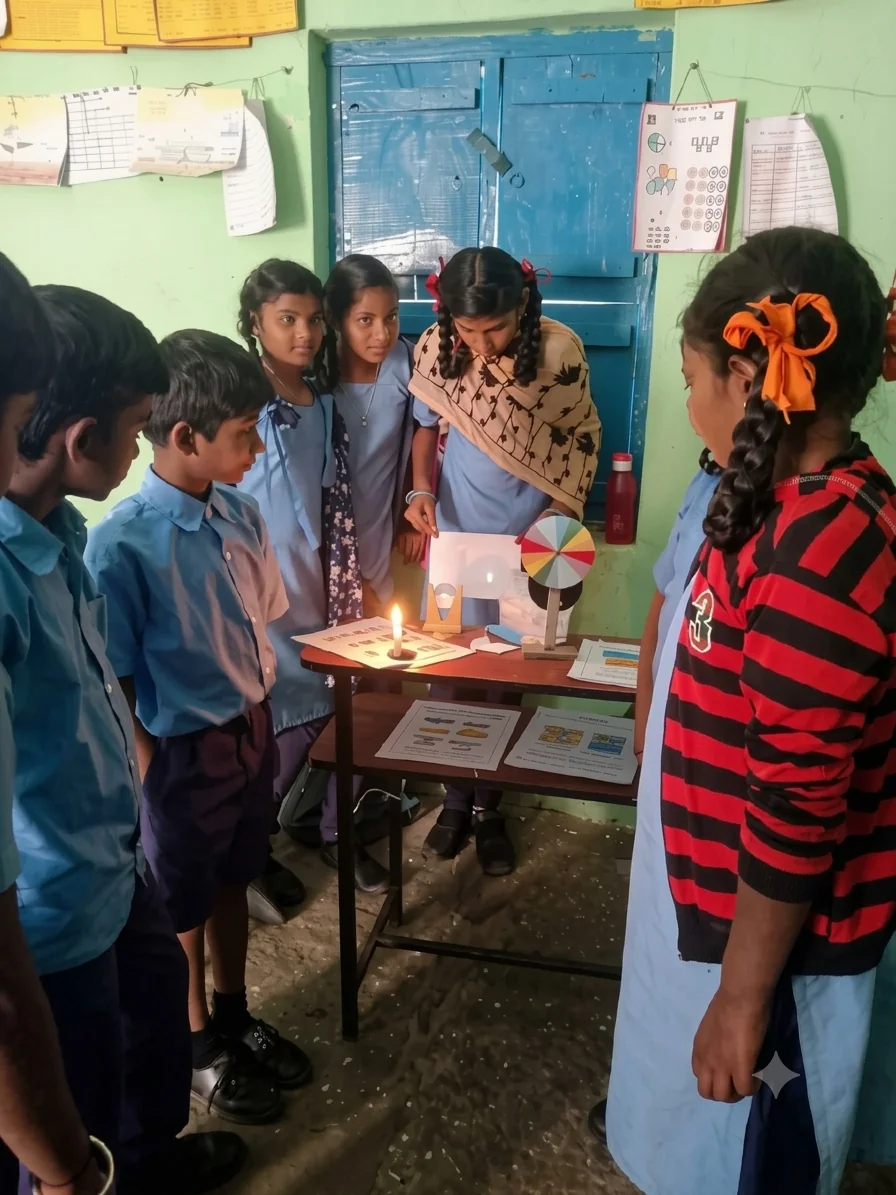
Projects tie to local realities - home water-usage audits, creative reuse or upcycling of waste materials, engaging with local village professions - all making science and math tangible.
Assessing the knowledge & the skills
Process-based evaluation
Teachers assess learning during the project, not only at the end — reducing stress and giving a holistic view of development.
Skill measurement
Teachers observe the students during the project and at the end. Students are marked on a carefully designed skill development rubric.
Self-assessment
Students take charge through MCQ and OMR-based self-checks that verify conceptual understanding.
PBL students scored higher, and fewer fell behind
An independent evaluation by National Institute of Advanced Studies, assessed 13,946 students — 8,994 in PBL project schools and 4,952 in a matched control group — across five districts, using baseline and endline tests in English, Mathematics and Science.
Ramanagara and Mysuru saw the strongest gains among all five districts.
Source: CWC Impact Report 2025–26, National Institute of Advanced Studies
Help spread project-based learning across the school system
Partner with us to bring student-centred, project-based learning to every rural classroom.